The Real Stress Test Awaiting McLaren's F1 'Papaya Rules'
Discover the challenges McLaren faces with their F1 'Papaya Rules' this season, analysing technical and strategic factors shaping their future success.
By Editorial
The Evolution Of McLaren's Papaya Rules In Formula 1
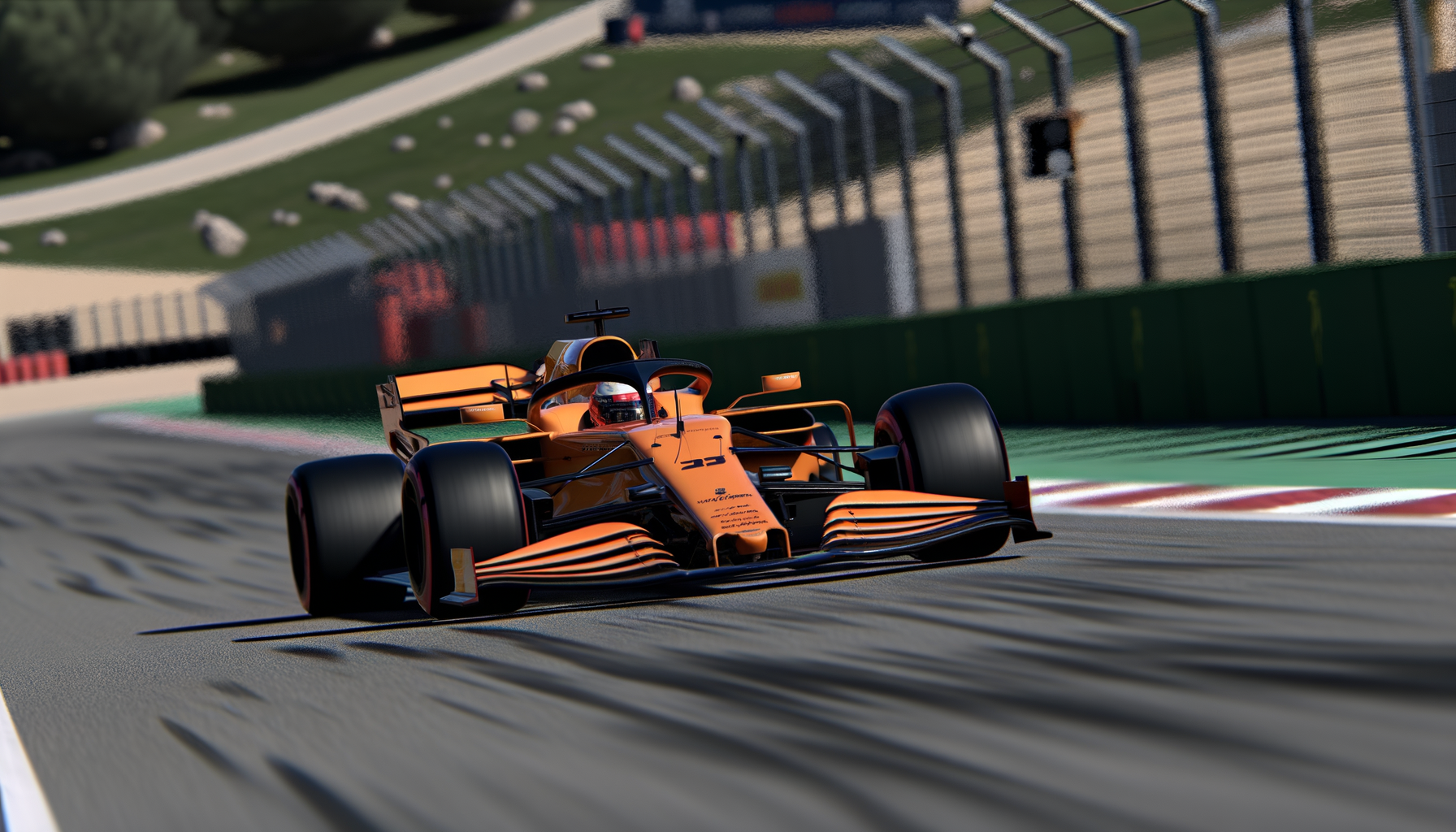
McLaren's distinctive papaya orange livery has become synonymous with their recent Formula 1 resurgence, but beyond the iconic colour lies a set of internal principles known as the 'Papaya Rules'. These guidelines, aimed at streamlining innovation and team cohesion, have been pivotal in steering McLaren back towards competitiveness in the fiercely contested F1 grid.
However, as the 2024 season unfolds, the true test of these rules isn't just aesthetic or cultural—it's technical and strategic. How will McLaren's approach hold up against the development arms of giants like Red Bull and Mercedes? This article delves into the real stress test facing McLaren's F1 project and what it means for their ambitions.
Understanding The Core Of The 'Papaya Rules'
At its heart, the 'Papaya Rules' represent McLaren's commitment to disciplined innovation, emphasising effective communication, agile decision-making, and a collaborative engineering culture. This framework was introduced to overcome past inconsistencies and internal friction that hampered performance during previous seasons.
By fostering transparency between design, aerodynamics, and race strategy teams, McLaren has sought to optimise their car development cycle. This approach has already yielded improvements, with the MCL60 showing promising pace in early races. Yet, the question remains: can this system sustain pressure when the competitive stakes rise?
Lessons From Previous McLaren Campaigns
Historically, McLaren's F1 campaigns have swung between brilliance and frustration. The team’s 2021 and 2022 seasons highlighted the pitfalls of rushed upgrades and misaligned priorities. The 'Papaya Rules' emerged partly as a response to these challenges, ensuring that technical updates are thoroughly vetted and aligned with long-term goals.
For example, during the 2023 British Grand Prix, McLaren’s measured approach to aerodynamic tweaks prevented the kind of reliability issues that plagued rivals. This case illustrates how the rules help balance innovation with operational stability.
Technical Challenges Ahead In The 2024 Season
The 2024 regulatory landscape in Formula 1 continues to favour teams that can rapidly develop and integrate new technologies. McLaren's competitors have demonstrated aggressive upgrades, particularly in power unit optimisation and aerodynamic efficiency.
McLaren must navigate these technical demands without sacrificing the 'Papaya Rules' ethos. For instance, their recent focus on optimising floor designs and rear wing flexibility has to be balanced against the risk of introducing instability in race conditions.
Data from early 2024 races shows that while McLaren is closing the gap on qualifying pace, race pace consistency under varying weather and track conditions remains a concern. This is where the 'stress test' becomes evident: can McLaren maintain reliability and adaptability throughout a full Grand Prix weekend?
Strategic Implications For Race Weekend
Beyond the garage, McLaren’s race strategy also reflects the influence of the 'Papaya Rules'. The team prioritises adaptive strategy calls, emphasising real-time data analysis and driver feedback integration. This approach aims to exploit opportunities such as tyre management and pit stop timing more effectively.
However, this strategy demands flawless coordination and rapid decision-making under pressure. The recent Manchester United goalkeeper dilemma highlighted in football shows how critical decision-making under stress can define outcomes—a parallel McLaren is keenly aware of in F1.
Case Study: McLaren's Performance At The Monaco Grand Prix
The Monaco Grand Prix, with its tight corners and unpredictable conditions, acted as a proving ground for McLaren’s 'Papaya Rules'. Their careful setup choices and conservative upgrade path helped avoid mechanical failures and maximised tyre longevity, resulting in a points finish ahead of some faster rivals.
This race exemplified how disciplined adherence to internal principles can pay dividends against the backdrop of high pressure. Yet, it also exposed areas for improvement, particularly in qualifying trim where the team lost valuable tenths.
Looking Ahead: What McLaren Must Do To Succeed
For McLaren to convert their promising foundation into consistent podiums, they must:
- Enhance rapid development cycles while retaining quality and reliability.
- Continue fostering cross-department collaboration to avoid siloed decision-making.
- Invest in data analytics and simulation tools to better predict race scenarios.
- Leverage driver feedback fully to fine-tune car setup and strategy.
These steps will ensure the 'Papaya Rules' evolve from guiding principles into a competitive advantage, especially as rivals intensify their development efforts.
Conclusion: The True Test Of McLaren's Formula 1 Philosophy
The real stress test for McLaren's 'Papaya Rules' lies not in their initial success but in their resilience throughout a demanding F1 season. By balancing innovation with discipline, and agility with stability, McLaren aims to reclaim their status as front-runners.
Fans and analysts alike will watch closely as the team navigates upcoming challenges, including technical regulations and race strategy battles. For those interested in the wider sporting context, exploring articles like Australia's dominance in women's cricket in The Hundred offers insight into how sports teams manage sustained success through strategic frameworks.
Ultimately, McLaren’s journey is a compelling case study in how culture, rules, and technology intersect to shape modern motorsport triumphs.
Related topics
Editorial
Sports expert at SportsScoop
Specialist in sports analysis and journalism
Related articles


Want to read more?
Explore our comprehensive collection of sports articles and analysis, or contact us for more information.